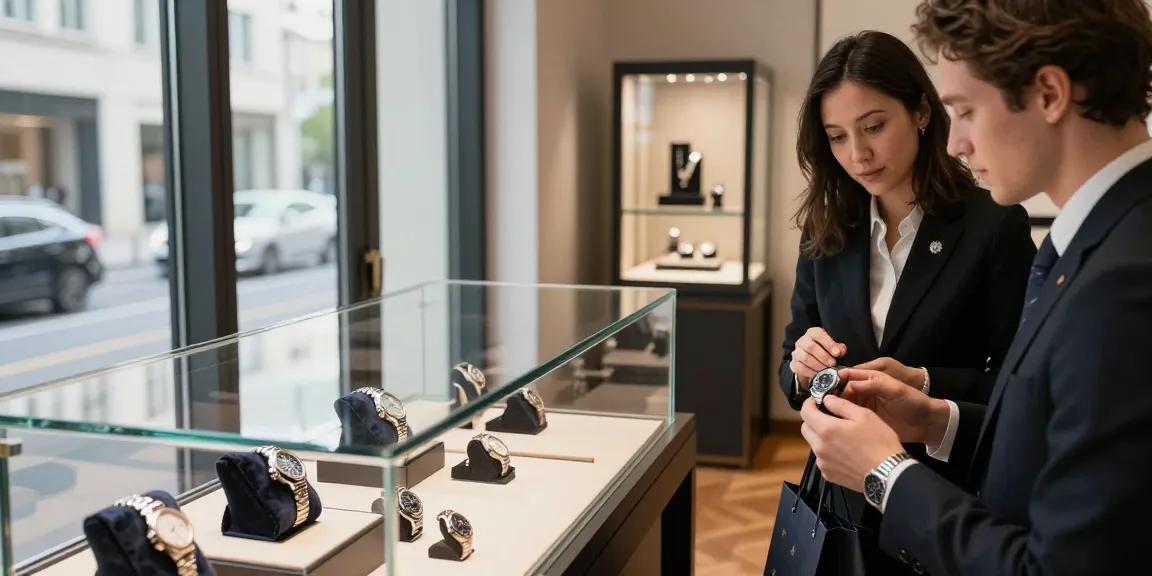
The Evolution of Replica Watches: A Historical Perspective
Replica watches have a rich history that dates back centuries, with many consumers appreciating high-quality timepieces without the exorbitant price tag typically associated with luxury brands. Understanding this evolution is crucial for both enthusiasts and casual buyers alike. The landscape of replica watches has transformed significantly, particularly with the advent of the internet, which has made high-quality replicas more accessible to the general public. In today's market, replica watches embody not only aesthetics but also significant advancements in craftsmanship.
Understanding the Origins of Replica Watches
The inception of replica watches can be traced back to the earliest days of watchmaking, where imitation was often considered a form of flattery. Initially, these replicas were crude, made primarily to mimic the look of more expensive pieces without regard for mechanics or durability. Over time, these imitations began to gain complexity, with early examples found in markets during the 19th century, particularly in Europe and Asia.
The Transition from Ordinary Replicas to Super Clones
As the appetite for luxury watches grew, so did the sophistication of replicas. The introduction of super clones marked a turning point in this industry, with watches that were not only visually similar but also closely replicated in terms of materials and movements. Super clones, often heralded as the gold standard among replicas, employ high-quality materials such as 904L stainless steel and robust Swiss movements, which significantly elevate their appeal.
Milestones in Replica Watch Development
Throughout the decades, several key milestones have defined the replica watch landscape. The Swiss quartz revolution of the 1970s forced mechanical watchmakers to adapt, and this shift also impacted replicas. The development of high-quality Asian movements in the late 20th century allowed replica manufacturers to introduce timepieces that performed nearly identically to their luxury counterparts. In recent years, the use of advanced materials like ceramic and sapphire glass has further distinguished super clones from their more ordinary predecessors.
Quality Standards: What Defines a Superior Replica Watch?
Quality is paramount in the realm of replica watches, particularly for discerning collectors. When assessing a timepiece, several critical factors determine its superiority, including the materials used, the type of movement, and the overall craftsmanship involved in its production. Understanding these elements can aid buyers in selecting truly exceptional watches that mirror their authentic counterparts.
Material Comparisons: Metal Types and Durability
The choice of metals in replica watches often distinguishes superior clones from lower-quality products. High-quality replicas typically utilize either 904L stainless steel or 316L stainless steel, both known for their resistance to corrosion and scratches. Additionally, the use of IP vacuum plating technology in certain models ensures a long-lasting finish that stands the test of time.
Movement Mechanisms: Swiss vs. Asian Replicas
Movement is another essential aspect of quality in replica watches. Swiss movements are often regarded as the hallmark of precision and reliability, which is why many super clone watches are powered by clone movements derived from Swiss technology. In contrast, while Asian movements can also deliver considerable value, they often lack the same level of refinement found in their Swiss counterparts.
Certifications and Quality Assurance in Replica Watches
Certification and quality assurance processes play a vital role in distinguishing high-quality replicas. Reputable retailers often provide guarantees regarding the authenticity of materials and movements. Furthermore, a commitment to craftsmanship is evident in brands that adhere to stringent quality control measures, ensuring each replica watch meets specific benchmarks for excellence.
Market Trends: Consumer Demands in 2026
The replica watch market is continually evolving, influenced by consumer preferences, technological advancements, and cultural trends. As we look ahead to 2026, it's clear that several key trends are shaping the industry as buyers become more informed and discerning.
Shifts in Buyer Preferences for Replica Watches
Today's consumers prioritize value and quality over brand prestige, leading to increased interest in super clone watches. Many buyers are now seeking replicas that offer the perfect blend of aesthetics, functionality, and durability. This shift has prompted manufacturers to innovate and refine their offerings to meet these demands.
How Social Media Influences Replica Watch Culture
Social media platforms have played a significant role in shaping the culture surrounding replica watches. Online communities provide forums for enthusiasts to share insights, reviews, and recommendations. These platforms enable greater visibility for high-quality replicas, often leading to increased demand for specific models and brands that uphold rigorous quality standards.
Emerging Markets: Where to Find Quality Replica Watches
As the market for replica watches expands, emerging regions are becoming critical players in the industry. Countries in Asia, particularly China and Hong Kong, have established themselves as epicenters for high-quality replica production. Consumers are increasingly turning to these markets, seeking reliable retailers that offer a wide selection of super clones.
Buying Guide: Choosing the Right Replica Watch
Navigating the world of replica watches can be challenging, especially with the vast array of options available. However, there are several key features and factors to consider that can help buyers make informed purchasing decisions.
Top Features to Look for in a Replica Watch
- Quality Materials: Look for watches constructed from high-grade metals like 904L stainless steel and those featuring sapphire crystal glass for durability.
- Movement Accuracy: Ensure the watch is powered by a reliable movement, ideally a Swiss clone movement, for optimal performance.
- Attention to Detail: Examine the watch for accurate engravings, fonts, and weight distribution to ensure it mimics the original closely.
Common Buyer Mistakes and How to Avoid Them
Many buyers make the mistake of focusing solely on price, overlooking quality and craftsmanship. It’s essential to research retailers, read reviews, and seek recommendations from reputable sources. Additionally, avoiding impulse purchases can prevent buyers from experiencing regret later on.
Trusted Retailers: Where to Buy Safely Online
Purchasing from established and trusted retailers is critical in ensuring the authenticity and quality of replica watches. Websites like SuperCloneWrist.com provide curated selections of super clone watches, ensuring buyers receive high-quality timepieces backed by solid customer support.
Future Outlook: Innovations in the Replica Watch Industry
The future of replica watches appears promising, with continuous innovations driving improvements in quality and consumer engagement. As technology advances, we can expect to see enhancements across various aspects of replica watch manufacturing.
Technological Advances: What's Next for Replica Watches?
Innovations such as 3D printing and sophisticated manufacturing processes are likely to become more prevalent in the replica watch industry. These technologies can lead to the production of even more accurate replicas, allowing brands to capture intricate details with unparalleled precision.
Regulatory Changes and Their Potential Impact
As the market for replica watches expands, regulatory scrutiny may increase. Future regulations could focus on quality assurance and ethical manufacturing practices, further enhancing the credibility of the replica watch industry as a whole. Brands that embrace these changes will likely gain consumer trust and loyalty.
Expected Trends in Consumer Behavior and Preferences
Consumer behavior in the replica watch market is expected to continue evolving, with an increased emphasis on sustainability and ethical sourcing. Buyers may gravitate towards brands that demonstrate transparency in their manufacturing processes and prioritize environmentally friendly materials.
What are replica watches?
Replica watches are timepieces that are designed to closely resemble original luxury watches but are typically offered at a fraction of the price. They can vary significantly in quality, with super clones representing the pinnacle of accurate replication.
Are super clone watches worth the investment?
Super clone watches often provide excellent value due to their quality materials, reliable movements, and faithful craftsmanship. For those seeking the appeal of luxury watches without the associated costs, they can be an excellent investment.
How to authenticate a quality replica watch?
Authenticating a quality replica watch involves examining various factors, including the watch's weight, the materials used, the movement type, and attention to detail in engravings and design. Reputable retailers will also provide guarantees regarding authenticity.
What materials are best for long-lasting replica watches?
Material quality is crucial for longevity. Options such as 904L stainless steel, sapphire glass, and durable ceramic are ideal for creating long-lasting replica watches that can withstand daily wear.
Can replica watches be repaired easily?
Many replica watches can be repaired, especially those with high-quality Swiss movements. However, servicing can vary by model, and it’s essential to consult a professional to ensure compatibility with parts and maintenance services.