Understanding the New Holland TR88 Combine Harvester
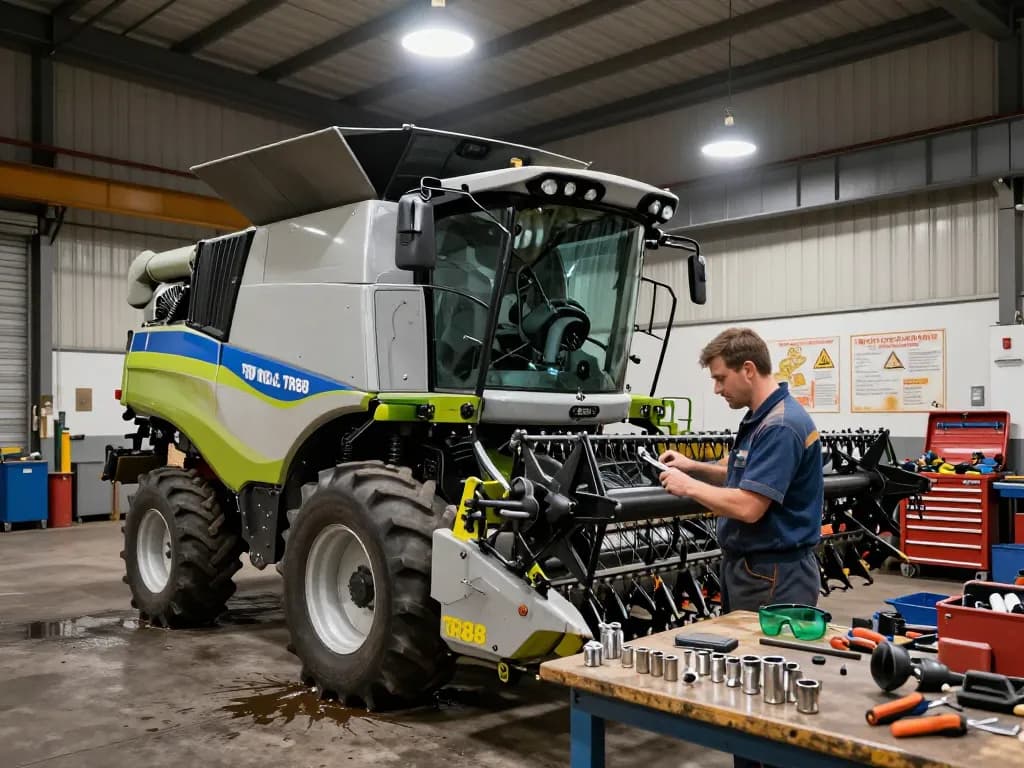
The New Holland TR88 is a powerful combine harvester that has made significant strides in the agricultural industry since its introduction. Designed to enhance productivity during harvest season, this machine boasts a range of advanced features aimed at optimizing performance, functionality, and reliability for farmers and agricultural contractors alike. When exploring options, TR88 provides comprehensive insights into these features and how they can benefit your farming operations.
What is the TR88?
The TR88 is a rotary combine harvester engineered by New Holland Agriculture, primarily used for harvesting crops such as wheat, corn, and soybeans. It combines cutting-edge technology with user-friendly operation, offering farmers increased efficiency and lower operational costs. With an emphasis on versatility, the TR88 can adapt to various harvesting conditions, making it a sought-after choice in the combine market.
Key Features and Specifications
One of the standout features of the TR88 is its twin rotor design, which maximizes grain separation while reducing crop damage. Here are some key specifications:
- Engine Power: 200 HP, providing ample power for tough harvesting conditions.
- Grain Tank Capacity: 220 bushels, allowing for extended operation without frequent unloading.
- Cutting Width: 20 feet, ensuring a wide cutting swath for increased efficiency.
- Hydraulic System: Advanced hydraulic controls that facilitate smooth operation and enhanced functionality.
- Weight: Approximately 30,000 lbs, ensuring stability during operation.
Historical Evolution of the TR88
The TR88 was introduced as part of New Holland’s vision to innovate in agricultural machinery. Its evolution reflects technological advancements in engine efficiency, crop handling, and user comfort. Over the years, it has undergone several upgrades, adapting to the changing needs of the agricultural sector, particularly as farming practices shift towards sustainability and technology integration.
Maintenance Best Practices for the TR88
Proper maintenance is crucial to ensure the longevity and efficiency of your TR88 combine harvester. Regular servicing can prevent unexpected breakdowns and enhance performance during critical harvest periods.
Regular Maintenance Checklist
- Inspect and replace engine oil and filters regularly.
- Check hydraulic fluid levels and inspect hoses for any signs of wear.
- Clean or replace air filters to maintain optimal engine performance.
- Examine belts and chains for any signs of fraying or wear, replacing them as needed.
- Keep the exterior clean to prevent rust and corrosion.
Common Issues and Troubleshooting
Despite its robust design, users may encounter certain common issues with the TR88 that require troubleshooting:
- Engine Stalling: This could be due to fuel delivery problems; check fuel filters and supply lines.
- Poor Grain Separation: This may signal a need for rotor adjustments or cleaning of the separation system.
- Hydraulic Failures: Inspect hydraulic lines and connections for leaks or obstructions.
DIY Maintenance Tips for Efficient Operation
Empowering yourself with basic DIY maintenance skills can be highly beneficial. Learning how to perform simple tasks, such as changing filters or checking fluid levels, can save time and money. It also reduces downtime during harvesting seasons when every moment counts.
Optimizing Performance with the TR88
To extract the maximum potential from your TR88, consider implementing performance optimization strategies that can help you adapt to various crop conditions.
Field Performance Metrics
Monitoring key performance metrics can provide valuable insights into the efficiency of your TR88. Track factors such as:
- Harvesting speed and its relation to grain yield.
- Fuel consumption relative to acres harvested.
- Grain loss percentages during harvesting.
Adjustments for Different Crop Types
Diverse crop types require different settings for the TR88 to ensure optimal performance. For example, the rotor speed and concave settings should be adjusted according to the hardness and size of the grains being harvested.
Technology Integration for Enhanced Efficiency
Integrating technology solutions, such as GPS and precision farming tools, can enhance the operational efficiency of the TR88. These technologies allow for better field mapping, which can lead to improved yield forecasting and resource management.
Safety Protocols When Operating the TR88
Operating heavy machinery like the TR88 necessitates adherence to strict safety protocols to ensure the safety of the operator and those working nearby.
Essential Safety Gear
Always wear appropriate safety gear, including:
- Protective gloves and safety boots.
- High-visibility clothing to increase visibility to other workers and vehicles.
- Hearing protection due to the high noise levels associated with combine operation.
Best Practices During Operation
Implement these best practices to maintain safety while operating:
- Ensure all safety mechanisms are in place before starting the machine.
- Conduct a pre-operation check to identify any possible hazards.
- Follow established protocols when unloading grain to prevent accidents.
Emergency Procedures and Protocols
Knowing what to do in case of an emergency is essential. Always keep a well-stocked first aid kit in your tractor and train all operators in emergency response protocols.
Future Trends in Combine Harvesting Technology
As agriculture continues to evolve, so too does the technology behind harvesting equipment. The TR88 is at the forefront of these advancements.
Innovations Expected in 2026 and Beyond
Future innovations in combine harvesting technology may include enhanced automation features, such as self-driving capabilities and real-time data analytics for monitoring crop health and machine performance. These advancements can significantly increase efficiency and reduce labor costs.
The Role of Automation in Harvesting
Automation is steadily gaining traction in the agricultural sector. The integration of automated systems in machines like the TR88 means farmers can utilize real-time data to make informed decisions, ultimately enhancing their yield and sustainability practices.
Environmental Considerations and Sustainability
With rising concerns about environmental impact, manufacturers are focusing on developing equipment that minimizes soil compaction and fuel consumption. Thus, future combine harvesters will likely incorporate eco-friendly technologies aimed at promoting sustainable farming practices.
What are the primary benefits of using the TR88?
Using the TR88 provides numerous advantages, including its ability to handle various crop types efficiently, reducing operational downtime and increasing overall productivity.
How can I troubleshoot common TR88 issues?
Regular maintenance, monitoring performance metrics, and understanding the machinery's operational quirks are essential for effective troubleshooting.
What safety measures should be taken when using heavy machinery?
Always follow safety protocols, wear appropriate gear, and conduct routine checks to avoid accidents when operating heavy machinery like the TR88.
How does the TR88 compare to newer models?
While the TR88 remains a powerful and reliable machine, newer models may offer advanced features such as improved automation and efficiency, necessitating a careful comparison based on individual farming needs.
What innovations are expected in combine harvesters?
Significant innovations may revolve around automation, environmental sustainability, and data analytics, aiming to streamline operations and enhance productivity.. Additionally, Trang Chủ TR88 provides further details.